
November 2026 · 7 min read · By Adam Schlichting, co-founder and lead installer
Quick answer
Seal the drafts first, then add film. "Window insulation film" usually means a clear plastic shrink kit you tape to the frame for the winter. It traps a layer of still air and cuts the cold feeling near the glass. Window film that is applied to the glass is a different, year-round product: some types help keep heat in, but no film stops a draft. Most cold windows lose comfort at the gaps around the sash, so weatherstripping and caulk come first.
Every fall we get the same question from homeowners across Ontario: "Will window film keep my house warmer?" The honest answer depends on what kind of film you mean and why the window feels cold. Here is how the options really compare, and the order we recommend doing things in.
Two different things called "film"
- Shrink film insulation kits: a thin sheet of clear plastic and double-sided tape. You tape it to the inside of the window frame and tighten it with a hair dryer. It creates a sealed pocket of still air between the plastic and the glass. Cheap, seasonal, and it comes down in spring.
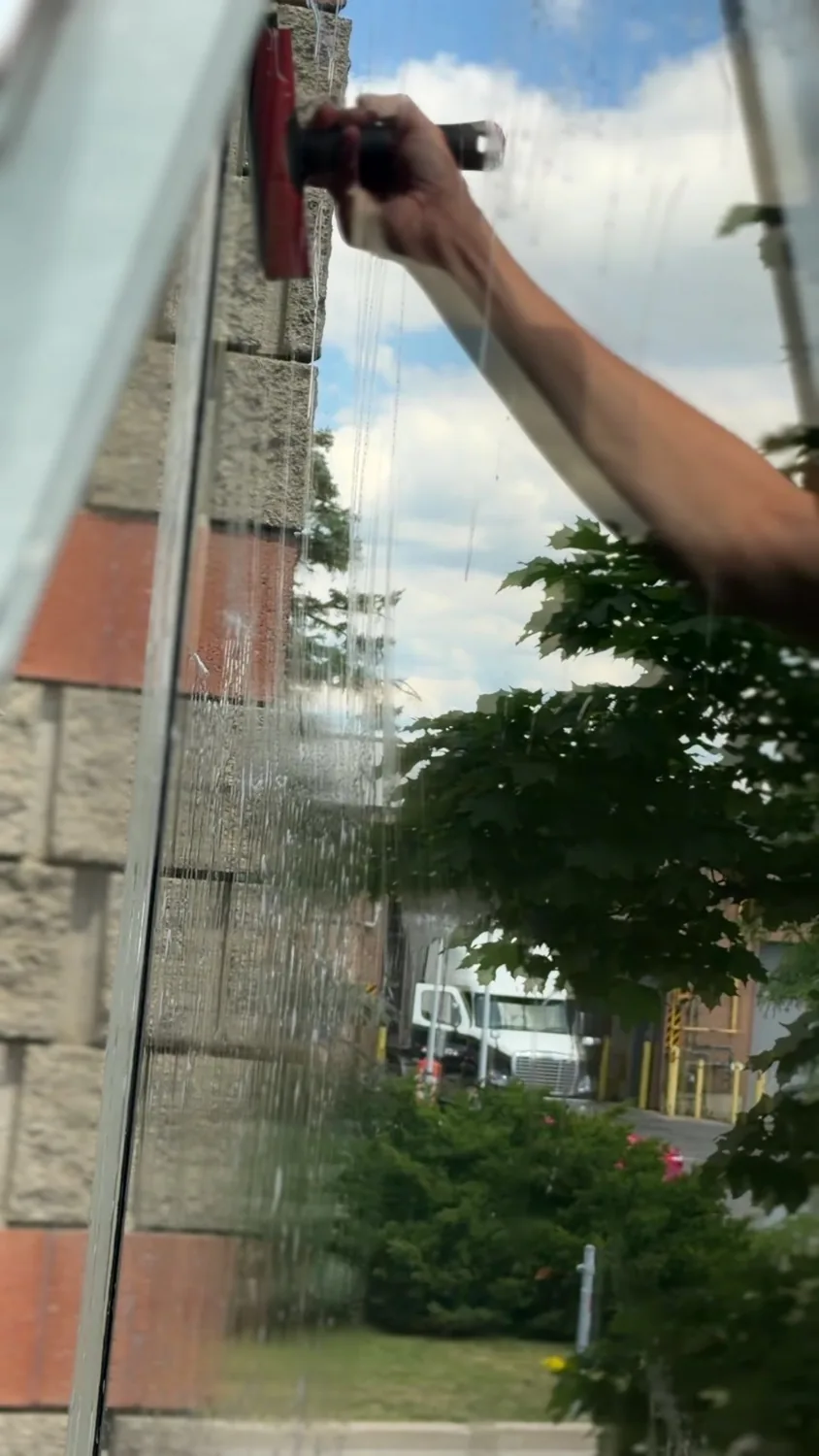
- Applied window film: a polyester film that bonds to the glass itself with soapy water and a squeegee, the kind installers put on. It stays on for years. Solar films are made mainly to block summer heat, glare and UV. Some films are made to reflect room heat back inside in winter. Frosted and security films are about privacy and safety, not warmth.
Why a window feels cold
- Drafts: air leaking around the sash, the frame or a worn weatherstrip. This is usually the biggest problem, and you can feel it with the back of your hand on a windy day.
- Cold glass: single-pane or older double-pane glass gets cold, and you feel it as a chill when you sit near it.
- Failed seals: double-pane glass that fogs up between the panes has lost its seal and insulates less.
Our free 10-Minute Window Check walks you through finding each one, window by window.
What to do, in order
- Seal the drafts. Replace worn weatherstripping, caulk gaps between the frame and the wall, and use removable rope caulk on windows you open in summer. It costs little and often fixes most of the problem.
- Shrink film on windows you won’t open. For basement windows, spare rooms and older single-pane windows, a shrink kit is the cheapest way to stop the cold feeling near the glass for the season.
- Use your curtains. Close heavy curtains at night and open them on sunny south-facing windows during the day to let the sun warm the room.
- Fix failed seals. If a double-pane unit has fogged between the panes, you can often replace just the sealed glass unit instead of the whole window. Our guide to window film or new windows explains when each makes sense.
- Add applied film for the whole year. If the same rooms also overheat in summer, a solar or heat control film keeps them cooler and cuts glare and UV, and some films also help hold heat in during winter.
Shrink kits: the good and the bad
- Good: very cheap, easy to install in an afternoon, and noticeably warmer near old or single-pane windows.
- Bad: you can’t open the window until spring, the plastic can wrinkle and blur the view, pets and kids poke holes in it, and the tape can lift paint when you take it down. It is single use, so you buy new kits every year.
Does applied window film help in winter?
It can, but set your expectations. Most popular window films are designed to stop summer heat, glare and UV, and that is where you will notice them most. Films made to reflect heat back into the room can make the glass feel less cold, and how much they help depends on the window, the glass and the exposure. We don’t promise a number on your heating bill, because no installer can measure that honestly before the job. What applied film does well, year round, is block up to 99% of UV and cut glare, and frosted or one-way films add privacy on windows you no longer want to cover with plastic.
Can I use both? Yes. Applied film goes on the glass and stays for years; a shrink kit goes on the frame for the winter. Put the applied film on first and let it dry for a couple of weeks before you tape plastic over it.
Installing window film in winter
You can install applied film on the inside of your windows any time of year. In cold weather the water under the film takes longer to dry out, so a little haze or a few water spots can take two to four weeks to clear instead of a few days. Keep the room warm while you work, don’t install on glass that is wet with condensation, and leave the film alone while it cures. If you want to try it, we cut heat blocking window film, frosted window film and privacy window film to your exact sizes and ship them across Canada with our step-by-step install guide.
A note on condensation
Water on the inside of your windows in winter comes from humid indoor air meeting cold glass. Film does not cause it and shrink kits don’t cure it. Run bathroom and kitchen fans, keep indoor humidity around 30 to 40% in deep cold, and keep curtains a little open so air can reach the glass. Constant condensation between the panes of a double-pane window means a failed seal.
Questions people ask
Is window insulation film worth it?
For old single-pane windows and windows you don’t open in winter, yes: a shrink kit is a cheap way to make the area near the glass feel warmer for one season. For drafty windows, sealing the gaps does more.
Can I reuse shrink film next winter?
No. Once it has been shrunk and taped, the plastic stretches and tears when you take it down. Plan on a new kit each year.
Does window film keep heat in?
Some films are designed to reflect room heat back inside and can make glass feel less cold. Most window films are chosen for summer heat, glare, UV and privacy. No film stops drafts, so seal those first.
Can I put window film on in winter?
Yes, on the inside of the glass. It just takes longer to cure: expect a light haze for two to four weeks while the water dries out.